Faster marks, with a person deciding
The machine suggests a score; a trained reader confirms or changes it.
Where grading weekends go wrong
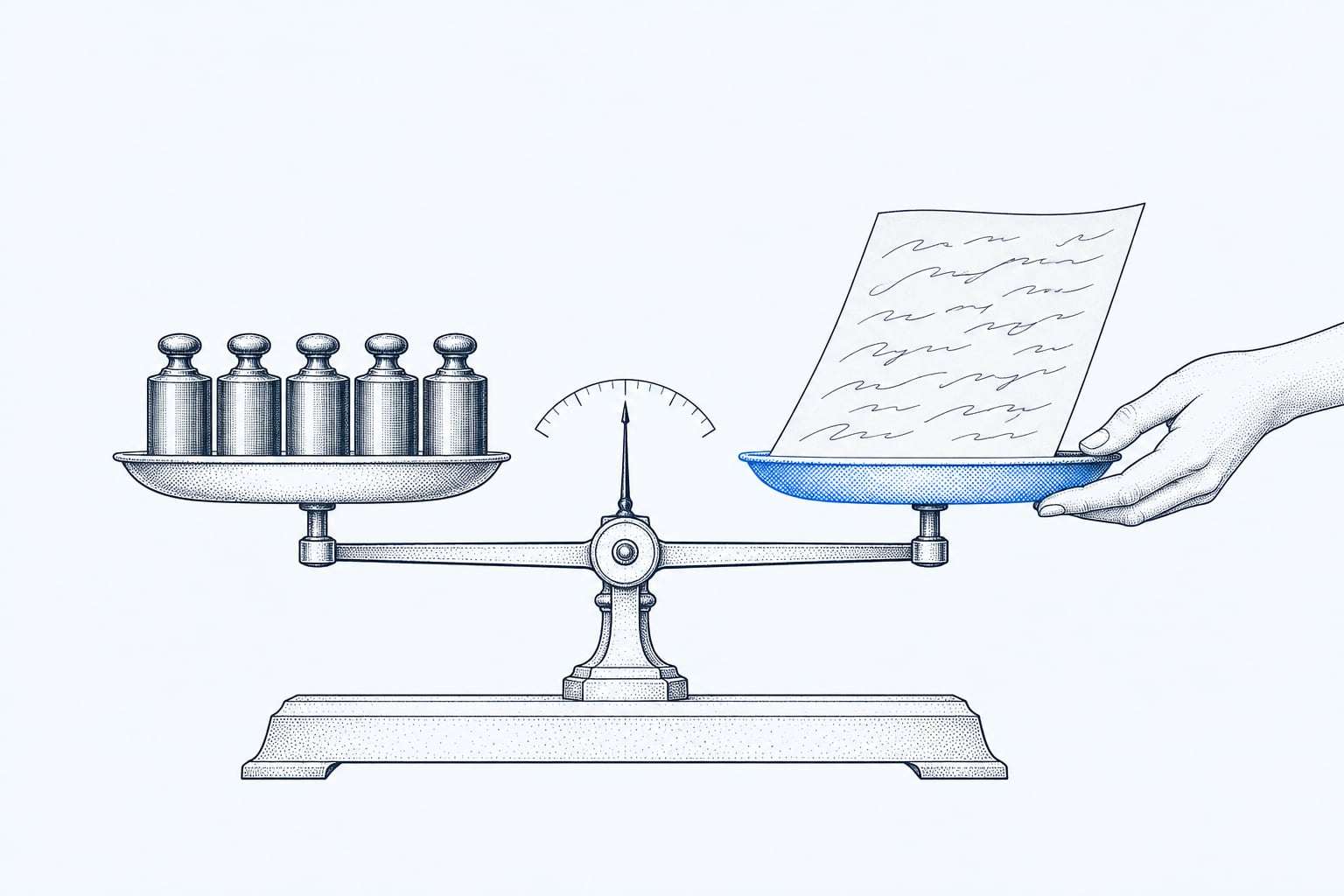
Six readers score 900 essays over three weekends, each drifting a little from the rubric. Months later, nobody can say why one paper got a 3 and the next a 4. Review queues and a mark history keep that answer on the response.
What every mark carries
Rubrics applied alike
Each criterion scored against anchor responses, so a 3 on Monday matches a 3 on Friday.
Doubtful answers routed
Low-confidence suggestions, off-topic answers and blank pages go to a reader’s queue first.
Every mark explained
The suggested score, the reader’s decision and any change with its reason, kept together.
Reader agreement measured
Exact and adjacent agreement between readers, and between readers and the machine, by item.
Scoring by program size
Single course
One course or exam scored inside Canvas, Moodle, Blackboard or D2L Brightspace through LTI 1.3.
Department
Shared rubrics across sections, essay scoring, second reads and reader agreement reports.
Campus or district
Benchmarks and finals across many schools, scan grading of handwritten work, SSO and API access.
What grading includes
Rubric builder
Criteria, score points and an anchor response for each point, versioned like any item.
Short-answer scoring
Suggested marks for one-line to one-paragraph answers, with alike answers grouped for one review.
Essay scoring
Criterion-level suggestions for extended writing, each with a confidence level the reader can see.
Review queues
Queues by section, item or confidence, with second reads assigned at the rate you set.
Handwritten scan grading
Paper answer sheets scanned, matched to candidates by a cover-sheet code and scored on screen.
Audit trail
Every suggestion, decision, override and reason logged and exportable as CSV.

Example: a district’s middle school writing benchmark
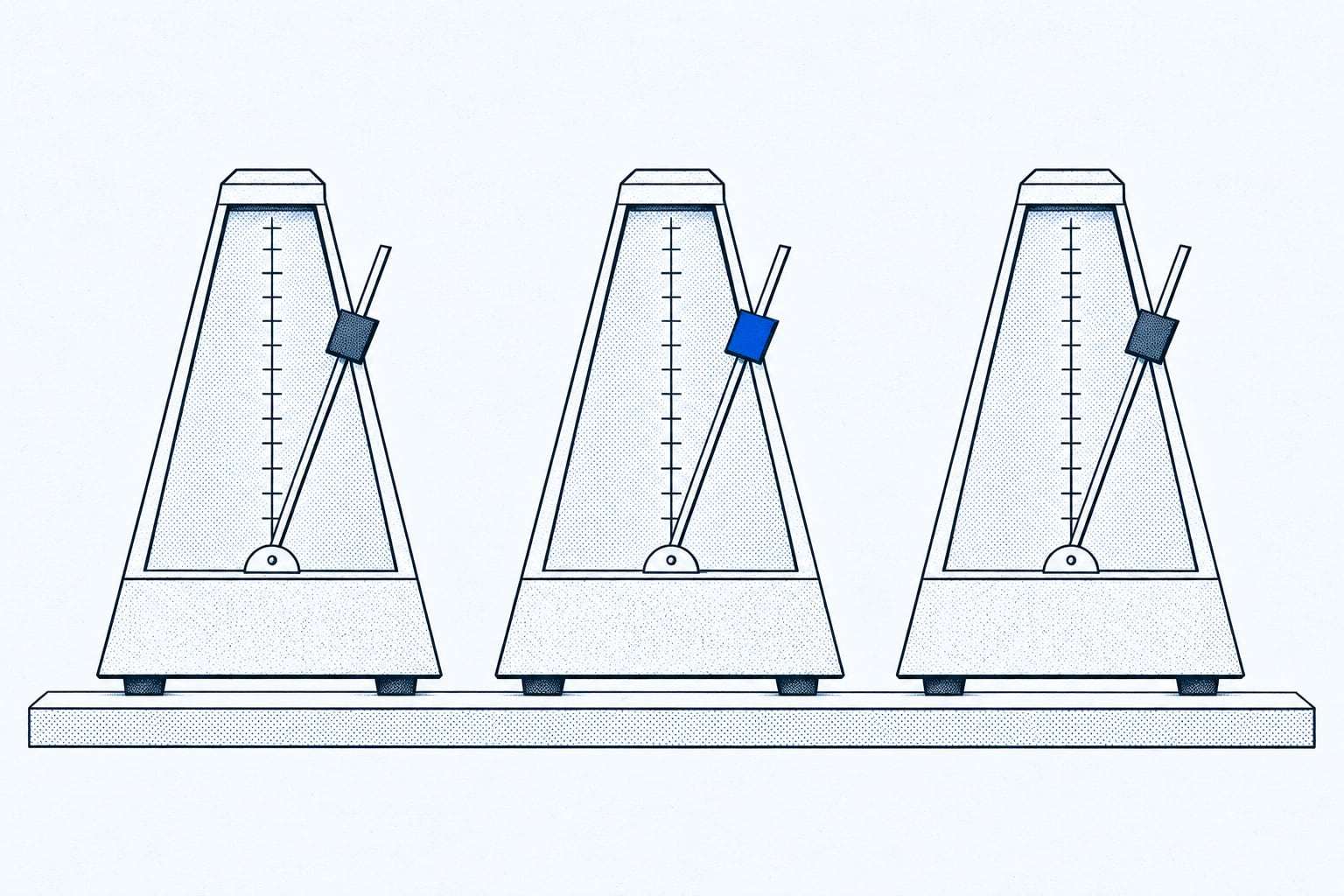
A school district gives a paper writing benchmark to 6,500 students in grades 6 to 8 each fall and spring. Office staff scan the pages at each school, teachers confirm suggested rubric scores in queues by grade, one paper in five gets a second read, and scores reach classrooms in eight school days instead of four weeks.
Indicative price
Indicative, from$3
Per candidate per exam, with human review queues included. Every proposal is fixed-fee and itemized.
Questions about grading and AI
Does the machine assign final grades?
No. The machine suggests a score and a trained reader decides it. Identical short answers are grouped so a reader can confirm them in one step, and essays are confirmed one at a time. Every final mark records who accepted or changed it, so nothing reaches a candidate without a human decision.
How accurate are the suggested scores?
Accuracy depends on your rubric and your candidates’ answers, so we measure it on yours before you rely on it. A Grading Pilot scores one course or exam alongside your readers and reports exact and adjacent agreement by item. From that report you decide which items get suggestions and which stay fully human.
Can it grade handwritten work?
Yes. Candidates write on printed answer sheets with a cover-sheet code, staff scan the pages on an ordinary office scanner, and the platform matches each page to the candidate and the question. Readers score the images on screen with the same rubric and queue, and the original scan stays on the record for appeals.
What does the audit trail record?
It records every step of every mark: the rubric version, the suggested score and its confidence, the reader who reviewed it, any change with its reason, second reads and the final score. Program leads can export the trail as CSV for a grade dispute, an appeal or an accreditation review.
Are our students’ answers used to train models for other clients?
No. Your candidates’ responses are used to score your exams and calibrate your rubrics, and for nothing else. They are hosted in the United States and encrypted in transit and at rest. On exit we hand over a full export and delete our copies within 30 days.
Score a sample with us
Tell us about your teams and we will say plainly whether automated grading is the right place to start.